The Flame Codex
and its child, the Light Codes
The Flame Codex is a language of return. It is not a collection of random words, not a book of spells, not an attempt to command forces, and not a substitute for practice, medicine, therapy, prayer or moral responsibility.
Each code is a vessel. Each vessel gathers attention. Each movement of attention is held within presence. Each presence lets the soul meet a cage. And each cage, when it is truly seen, begins to lose its power. What emerges is not installed: it is discovered.
How a code works
A code does not act apart from the Consciousness that enters into relationship with it. The syllable offers sound; the sign offers form; the colour orients; intention gives direction; attention gathers; the body receives; presence gives life. As these meet, the code can become an inner key — a condensed form of meaning the person learns to recognize and to inhabit.
That is why the Codex must be approached with reverence. A word spoken without presence is only sound. A code used without humility is only technique. But held within Consciousness, love, humility and discernment, it becomes a door.
THE 33 CORE SYLLABLES
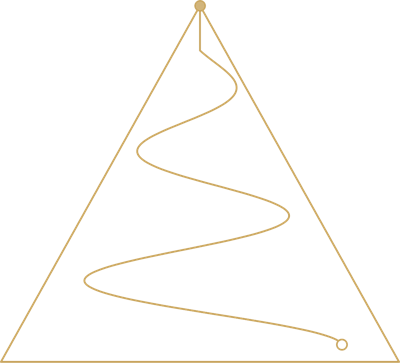
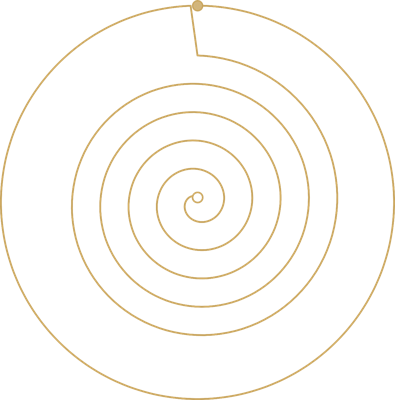
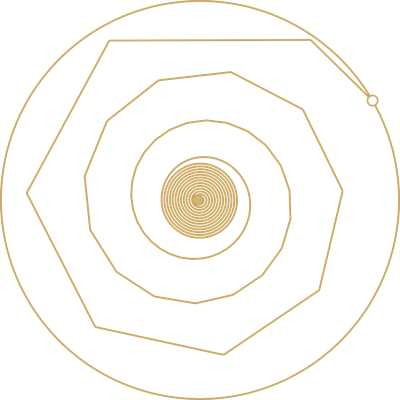
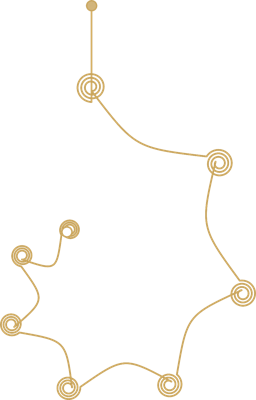
Traced by hand, in one continuous line
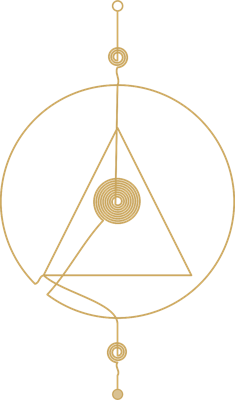
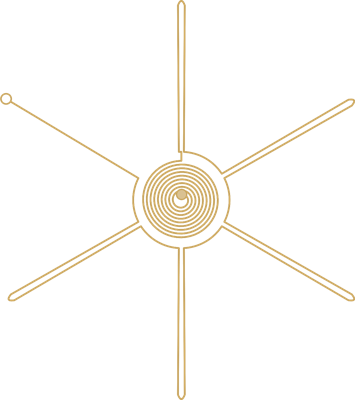
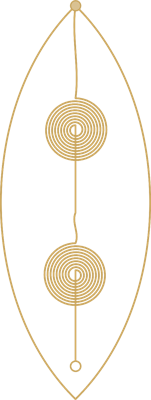
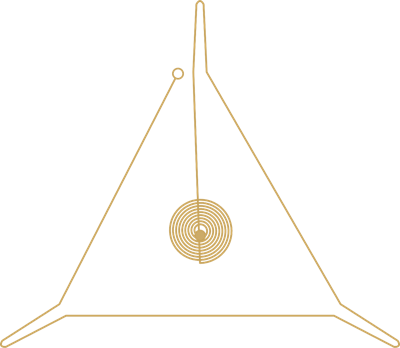
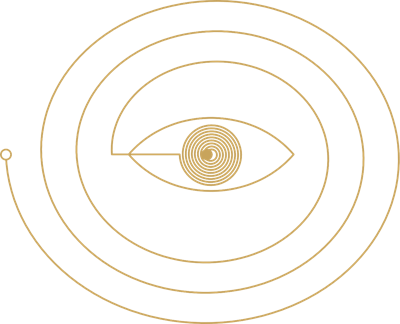
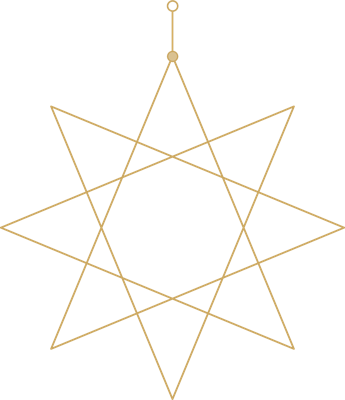
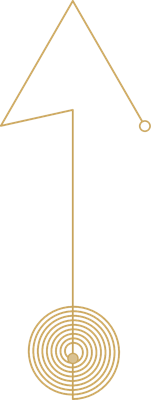
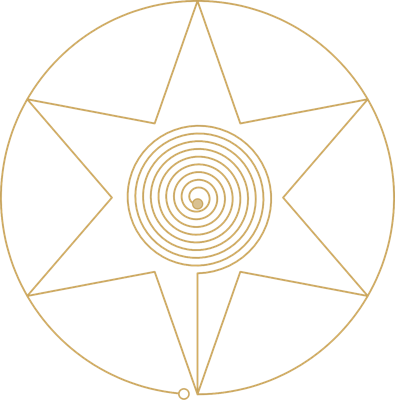
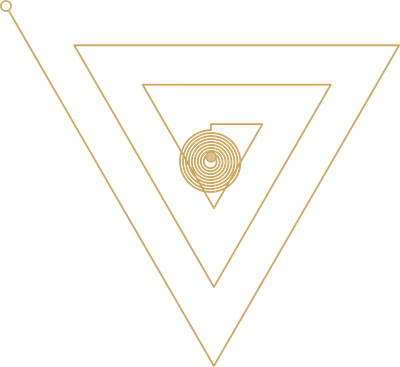
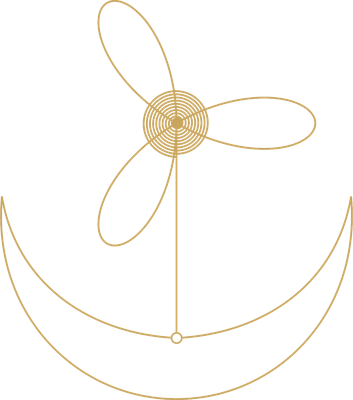
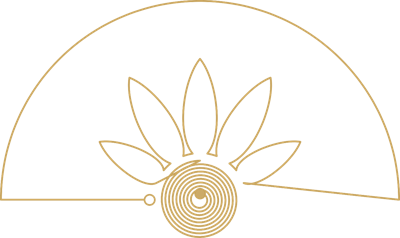
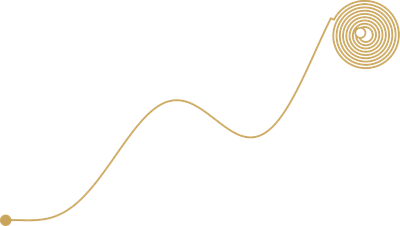
The Codex holds 177 keys. At its heart are 33 core syllables, each with its own sigil, its trace, its meditation plate and its poem. These are the traces of the 33 — drawn so that they can be followed by hand, without lifting the pen.





The Light Codes
The Light Codes are the child of the Flame Codex: the Codex applied to a human life. The syllables exist before any information arises; they give coherence to what manifests and realign it with the true intention of the Origin — which is one's own Consciousness.
Their purpose is to align the whole psyche toward one's own divinity, so that the Divine can descend into form and the Flame can be anchored in this world, flowering as love, presence and revealed intuition. They are applied, book by book, to the mind, the heart, dreams and energy, and to meditation.
What the Codex is for
The stilling of what is agitated.
The seeing of what binds.
The softening of what contracted.
The release of what was never true.
The return of the soul to its own light.
The embodiment of that light in ordinary human life.
What it is not
The facilitator is not the source. The code is not the source. The method is not the source. The work belongs to the soul, and the body has its own domain: this work can ease fear, shame, grief and despair, but it does not claim to treat illness, and it never replaces medical care. We open cages. We do not cut lifelines.